
Call us now
07971191355
HDPE Perforated Pipes
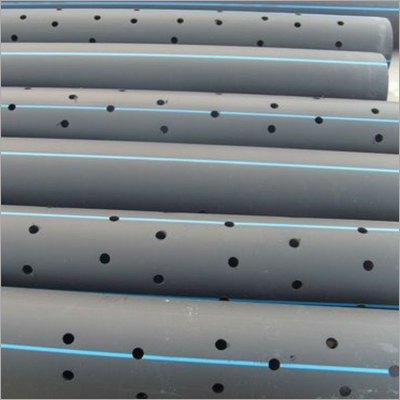

HDPE Perforated Pipes Specification
- Product Type
- Perforated Pipe
- Material
- HDPE
- Connection
- Socket/Spigot Joint
- Thickness
- Variable (commonly 2 mm to 8 mm)
- Standard
- ISI/ASTM/DIN (as per specifications)
- Technics
- Extruded Molding
- Surface Treatment
- Galvanized
- Length
- Available in 6 m & 12 m or customized
- Wall Thickness
- 2 mm to 8 mm (as per requirement)
- Nominal Pressure
- PN4, PN6, PN8, PN10, PN12.5
- Color
- Gray
- Temperature Resistance
- Up to 60°C
- Flexibility
- High flexibility to withstand soil movement
- Impact Strength
- High (suitable for underground applications)
- Chemical Resistance
- Excellent against acids and alkalis
- Application
- Drainage, Subsoil Water Management, Landfill Gas Extraction
- Hole Spacing
- 25 mm to 75 mm (intermittent along pipe length)
- Diameter Range
- 63 mm to 630 mm
- UV Resistance
- Available on request
- Hole Diameter
- 5 mm to 10 mm (customizable)
HDPE Perforated Pipes Trade Information
- Minimum Order Quantity
- 100 Meter
- Delivery Time
- 4-5 Days
- Main Domestic Market
- All India
About HDPE Perforated Pipes
HDPE Perforated Pipes have been specifically made having numerous uniform size pores on their surface. They are especially used for storage of solid waste and are known for their light weight. These pipes have good abrasion & wear resistance, chemical inertness, and smooth surface finish. They are perfect for underground applications and show good compressive strength. These pipes are strong enough to easily carry extremely heavy loads without cracking or breaking. HDPE Perforated Pipes offered by us are also known to have ability to bear various chemical & biochemical reactions.
WE MAINLY DEAL IN SOUTH INDIA
Superior Drainage Performance
Designed for subsoil water management, these HDPE perforated pipes ensure effective drainage in agricultural, construction, and landfill applications. Customizable perforation patterns enhance water flow, making them ideal for complex site requirements.
Durability and Chemical Resistance
Crafted from virgin HDPE, these pipes withstand temperatures up to 60C and maintain structural integrity when exposed to acids or alkalis. Their high impact strength and flexibility make them well-suited for underground installations subject to soil movement.
Adaptability and Easy Installation
HDPE perforated pipes come in several diameters, lengths, and wall thicknesses, catering to unique engineering demands. Socket and spigot joints streamline the installation process, while optional UV resistance ensures long service life in exposed environments.
FAQs of HDPE Perforated Pipes:
Q: How are HDPE perforated pipes installed in drainage and subsoil water management systems?
A: HDPE perforated pipes are typically installed underground, placed within trenches according to site design. The socket/spigot joint system enables secure connections, and their high flexibility allows the pipes to follow natural soil contours, making installation fast and straightforward.Q: What are the benefits of using HDPE perforated pipes for landfill gas extraction?
A: These pipes offer high chemical and impact resistance, adaptability to varying soil conditions, and precision perforation, which collectively enable efficient gas collection and conveyance in landfill environments. Their durability ensures minimal maintenance and long-term reliability.Q: When should perforation diameter and spacing be customized for a project?
A: Customizing the hole diameter (between 5 mm10 mm) and spacing (25 mm75 mm) is recommended to match water flow requirements, soil type, and specific drainage or filtration needs, ensuring the pipe functions optimally for each application.Q: Where can HDPE perforated pipes be sourced in India?
A: They are available through distributors, manufacturers, suppliers, and traders across India. Custom specifications, variable lengths, and wall thicknesses are provided to suit regional and industry standards like ISI, ASTM, and DIN.Q: What is the process for manufacturing these HDPE perforated pipes?
A: The pipes are manufactured using extruded molding techniques, followed by precision perforation according to customer specifications. Galvanized surface treatment enhances durability, and conformity to ISI/ASTM/DIN standards ensures product quality.Q: Can these pipes be used in chemically aggressive environments?
A: Yes, HDPE pipes exhibit excellent resistance to acids, alkalis, and various chemicals, making them highly suitable for use in aggressive industrial or landfill sites where chemical exposure is expected.Q: What are the usage and maintenance advantages of HDPE perforated pipes over traditional materials?
A: Compared to conventional pipes, HDPE perforated pipes are lighter, easier to handle, and resilient against corrosion and impact. Their flexibility minimizes damage from soil movement, while the perforations improve drainage efficiency and require less frequent maintenance.Tell us about your requirement

Price:
Quantity
Select Unit
- 50
- 100
- 200
- 250
- 500
- 1000+
Additional detail
Mobile number
Email

More Products in HDPE Pipe Fittings Category
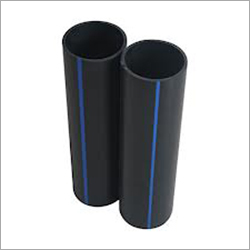
Plastic Long Pipe
Price 150 INR / Meter
Minimum Order Quantity : 100
Surface Treatment : Other, Smooth
Material : High Quality Plastic (PVC/UPVC/HDPE)
Color : White, Grey, Black or as requested
Technics : Extruded
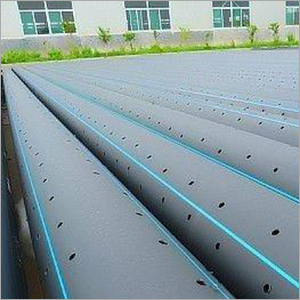
HDPE Perforated Pipe
Price 95 INR / Meter
Minimum Order Quantity : 100
Surface Treatment : Other, Smooth/Plain
Material : High Density Polyethylene (HDPE)
Color : Black (with/without stripes)
Technics : Other, Extruded and Perforated
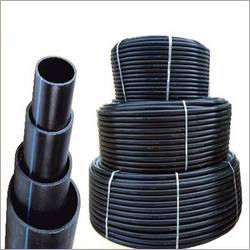
HDPE Pipe Stocked
Price 95 INR / Meter
Minimum Order Quantity : 100
Surface Treatment : Other, Smooth
Material : HighDensity Polyethylene (HDPE)
Color : Black with Blue Stripes
Technics : Extruded
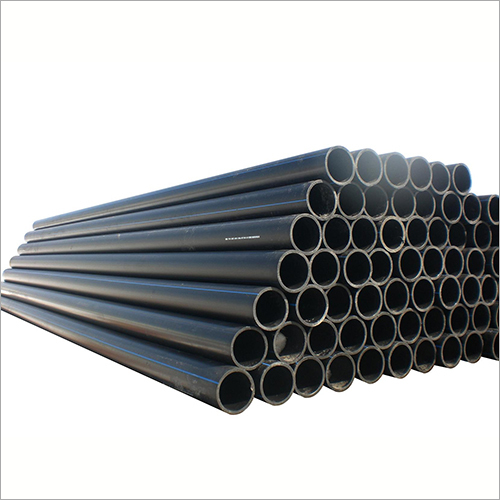
Agricultural HDPE Pipes
Price 95 INR / Meter
Minimum Order Quantity : 100
Surface Treatment : Black Painting
Material : HDPE
Color : Black
Technics : Cold Rolled

NAGARJUNA POLYMERS
GST : 36AACFN7973P1ZF
GST : 36AACFN7973P1ZF
Plot No: 206/8&9, IDA Phase 2, Cherlapally, Hyderabad - 500051, Telangana, India
Phone :07971191355

 Send Inquiry
 Send Inquiry
 Send SMS
NAGARJUNA POLYMERS
All Rights Reserved.(Terms of Use)
Developed and Managed by Infocom Network Private Limited.
Developed and Managed by Infocom Network Private Limited.

